Case Files:
The Art of Final Presentation™
Welcome to The Restoration Files™
The Restoration Files™ is an educational collection of realistic mortuary beauty case studies designed to challenge your critical thinking, strengthen your assessment skills, and deepen your understanding of postmortem presentation.
Each case presents a unique individual, family request, and set of cosmetic or restorative considerations. Students are encouraged to evaluate the information provided, identify potential challenges, and develop a thoughtful plan that honors both the decedent's identity and the family's wishes.
Purpose
The purpose of this exercise is to help students bridge the gap between theory and practice by exploring real-world scenarios involving:
Cosmetic restoration
Hair care and styling
Color correction
Feature setting considerations
Family communication
Cultural sensitivity
Ethical decision-making
Identity preservation
Remember, mortuary beauty is about more than applying cosmetics. It is the art of restoring familiarity, dignity, and memory for the families we serve.
As you review each case, ask yourself:
"What would it take to help this family recognize the person they love?"
Disclaimer: The Restoration Files™ are educational case studies created for training purposes. Individuals, scenarios, and images may be fictional, simulated, AI-generated, or modified to illustrate mortuary beauty, restorative art, and final presentation concepts. These materials are intended solely for educational discussion and skill development and do not represent actual decedents unless expressly stated.
Disclaimer: The Restoration Files™ are educational case studies created for training purposes. Individuals, scenarios, and images may be fictional, simulated, AI-generated, or modified to illustrate mortuary beauty, restorative art, and final presentation concepts. These materials are intended solely for educational discussion and skill development and do not represent actual decedents unless expressly stated.


CASE FILE #006
The Beauty Beneath the Battle
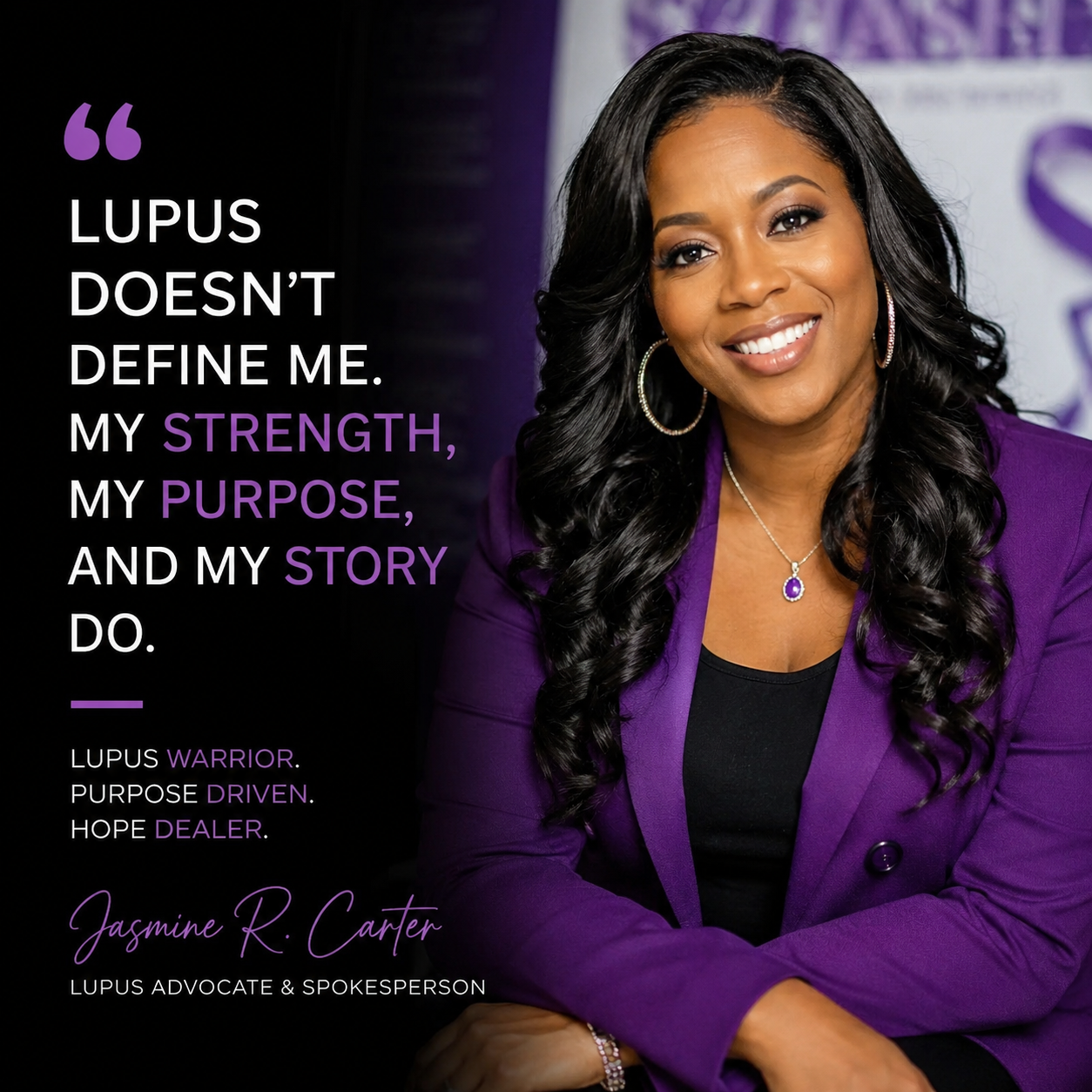
For nearly fifteen years, Jasmine Carter dedicated her life to lupus awareness and advocacy. Known nationally for her work in the autoimmune disease community, she transformed her diagnosis into a platform of hope, education, and encouragement for thousands of individuals navigating similar battles.
To the public, Jasmine was vibrant, polished, articulate, and inspiring. She appeared on panels, spoke at conferences, organized awareness campaigns, and used her voice to ensure that others living with lupus never felt alone.
What many people did not see were the years of treatments, hospitalizations, medication changes, flare-ups, and physical challenges that accompanied her diagnosis.
As her disease progressed, lupus began affecting her appearance. Episodes of severe discoloration, inflammation, pigmentation changes, and medication-related side effects altered the complexion she once knew. Yet despite the physical toll, Jasmine remained committed to living her life with purpose, grace, and determination.
At the age of 38, Jasmine passed away following complications associated with systemic lupus.
When reviewing the photographs provided, one thing became immediately clear. Whether she was standing at a fundraising gala, speaking to a room filled with advocates, or spending time with those she loved, Jasmine carried herself with confidence, elegance, and unwavering strength.
The visible effects of lupus told one story.
Her life told another.
This case challenges us to look beyond discoloration, beyond diagnosis, and beyond the physical effects of disease. It reminds us that every complexion tells a story, and every correction decision carries the responsibility of preserving dignity, likeness, and memory.
Because before there was a diagnosis, there was a woman with a purpose.
Before there was discoloration, there was a life filled with impact.
And beneath the battle, there was always beauty.
Family Request
Jasmine's family requested a private viewing prior to cremation.
The family shared that Jasmine was known for her polished appearance, radiant smile, and commitment to lupus advocacy. They requested a presentation that reflected the confidence, dignity, and grace she carried throughout her life.
Particular attention was requested for her complexion, as years of lupus-related discoloration and treatment side effects had significantly altered her skin tone. The family wished for a natural appearance that honored Jasmine's likeness while acknowledging the challenges associated with her illness.
The family selected a purple pantsuit, her signature pearl earrings, and a lupus awareness ribbon pin to accompany her final presentation.
Pre-Prep Room Considerations
Before entering the preparation room, it is important to evaluate the information available and identify potential challenges that may impact the final presentation.
Based on the information provided, Jasmine was a public figure within the lupus advocacy community and was frequently photographed throughout her adult life. Multiple recent and historical photographs are available for comparison, providing valuable insight into her appearance throughout various stages of her illness.
Initial Considerations
Age at Death
38 years old
Young age may influence family expectations regarding appearance and presentation.
Medical History
Long-term systemic lupus diagnosis.
History of flare-ups, treatment interventions, and disease progression.
Potential for lupus-related skin discoloration, pigmentation irregularities, inflammation, and tissue changes.
Public Recognition
National lupus advocate and spokesperson.
Likely to be viewed by individuals familiar with her public image.
Likeness and recognizability should remain a primary consideration.
Family-Provided Photographs
Review both recent and historical photographs.
Identify consistent features including complexion, brow shape, lip color, hairstyle preferences, and overall presentation style.
Avoid relying solely on photographs taken prior to disease progression.
Cosmetic Considerations
Anticipate complexion irregularities.
Determine whether discoloration observed is consistent with known lupus-related changes or may be related to postmortem processes.
Consider color correction strategies before selecting cosmetic shades.
Hair Presentation
Evaluate hairstyle most commonly worn during the later stages of life.
Consider family preferences while maintaining realistic likeness.
Wardrobe & Personal Style
Purple pantsuit selected by family.
Pearl jewelry and lupus awareness ribbon included.
Presentation should reflect professionalism, confidence, and dignity.
Questions to Consider Before Entering the Prep Room
What physical characteristics remained consistent throughout Jasmine's life despite the progression of her illness?
Which visible changes appear to be related to lupus, and which may be the result of postmortem changes?
How might lighting impact the appearance of discoloration during viewing?
What corrective measures may be necessary before cosmetic application can begin?
How can likeness be preserved while addressing significant complexion concerns?
Educational Focus
This case encourages the practitioner to assess the individual before focusing on cosmetics. Effective presentation begins with observation, analysis, and preparation.
Remember: Correction First. Beauty Second. Likeness Always.
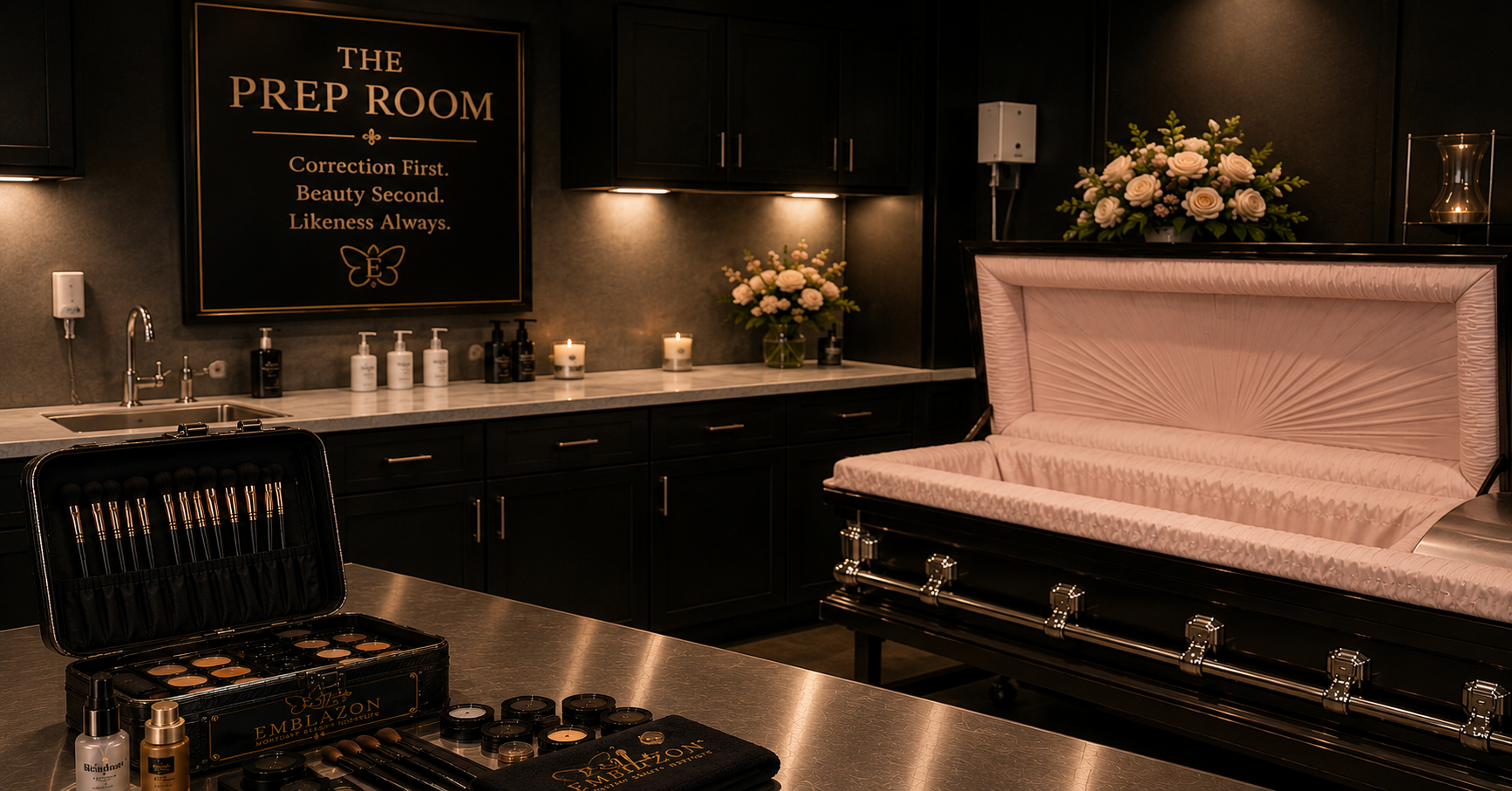
Entering the Prep Room: My Assessment
"This is where emotion meets assessment, and artistry begins with understanding."
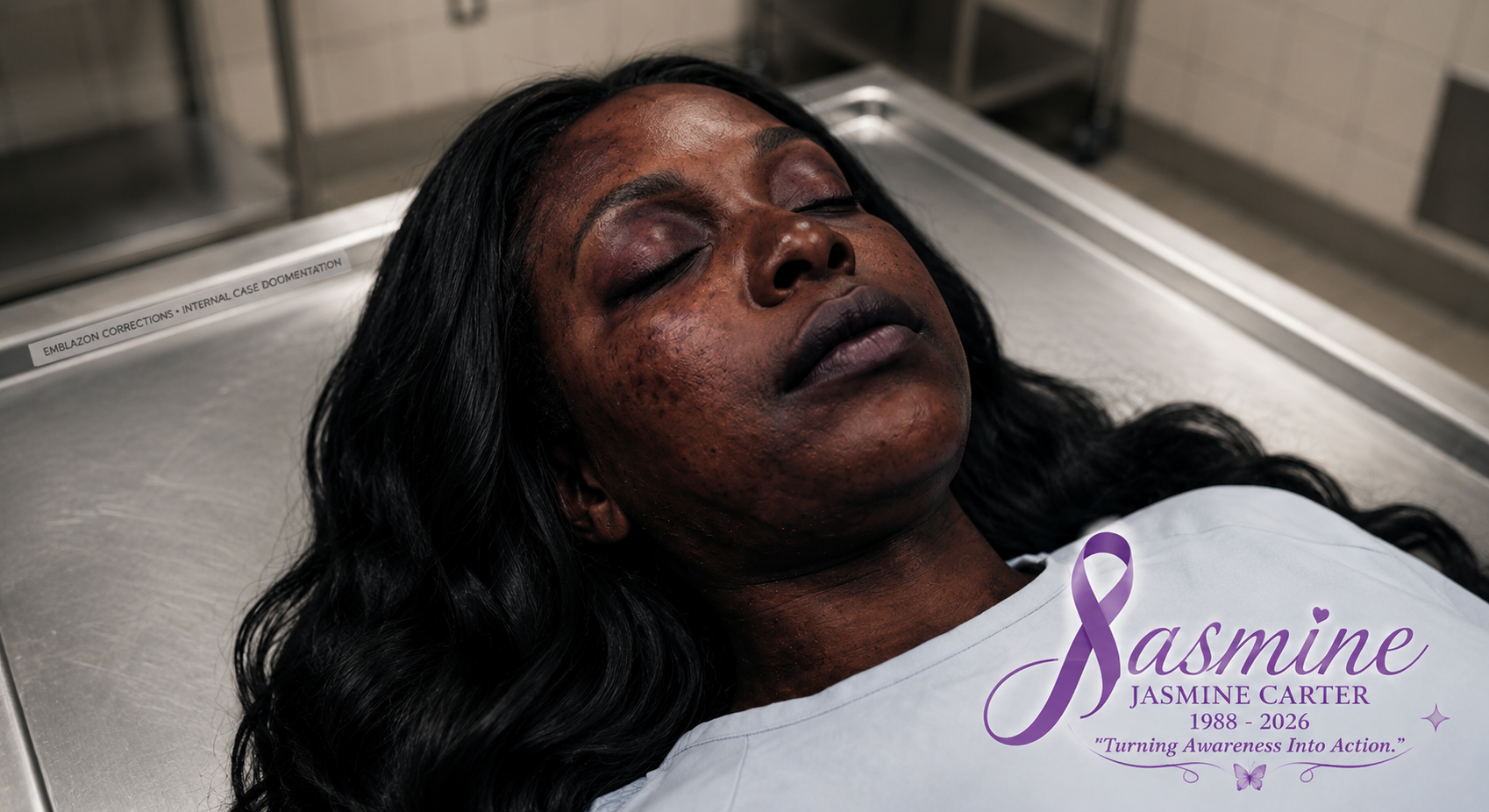
"WHAT THEY DESCRIBED IS NOT WHAT I SAW"
Initial Observation
Upon entering the prep room, I was greeted by a decedent who bore little resemblance to the photographs provided or the description shared by her family.
Jasmine presented with severe facial discoloration, significant edema, severe dehydration, blotchy skin texture, and moderate decomposition. Multiple shades of purple, blue, brown, and gray were visible throughout the face, neck, and exposed tissue.
The extent of the postmortem changes immediately raised concerns regarding viewability and the family's ability to recognize their loved one.
Primary Concerns
Severe discoloration
Facial edema
Tissue dehydration
Uneven skin texture
Moderate decomposition
Overall viewability
Preservation of likeness
Initial Questions
Where do I begin?
What changes are disease-related versus postmortem?
What corrective techniques will be required?
Can a recognizable and viewable presentation be achieved?
The Execution
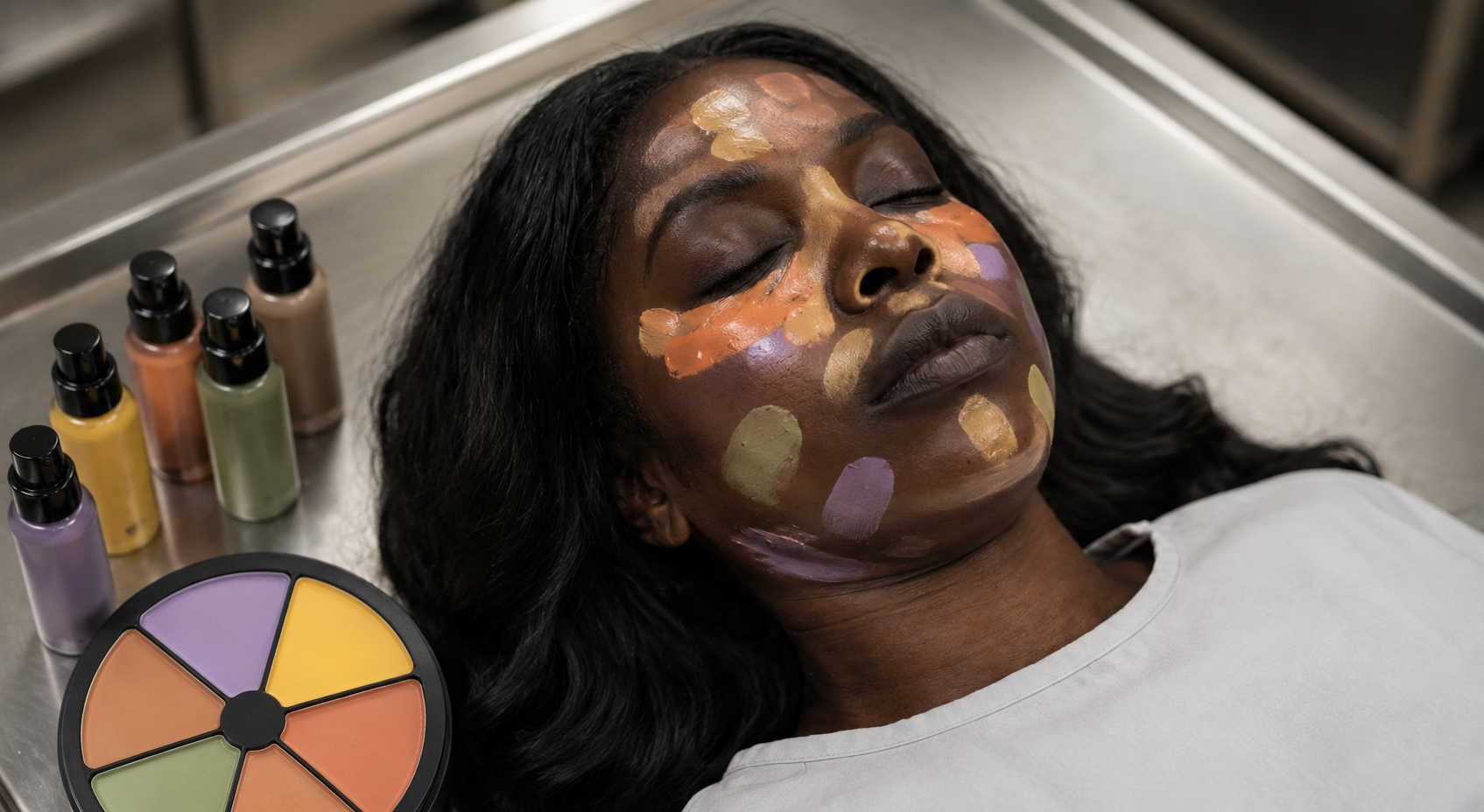
step 1: The correction
Correction is the process of addressing visual distractions that interfere with a natural and recognizable appearance.

In Jasmine's case, significant discoloration, dehydration, edema, and postmortem changes created multiple areas requiring evaluation before cosmetic enhancement could begin.

### Actions Taken During the Correction Phase

* Conducted a complete facial assessment under proper lighting.
* Reviewed antemortem photographs to establish complexion goals and preserve likeness.
* Evaluated areas of discoloration and identified color variations throughout the face and neck.
* Addressed dehydration-related concerns that could impact product performance and overall appearance.
* Performed feature preparation to improve surface texture and create a more workable foundation for cosmetic application.
* Utilized professional corrective products to reduce the visual impact of discoloration.
* Applied selective color-balancing techniques to create a more uniform complexion.
* Continuously reassessed progress throughout the process to avoid overcorrection.

 Products & Materials Utilized

* Professional mortuary cosmetic products
* Corrective color-balancing products
* Moisturizing and conditioning agents
* Cosmetic sponges and detail applicators
* Brushes for controlled product placement
* Reference photographs for likeness comparison

 Key Learning Point

Correction should be completed before beauty cosmetics are introduced.

Attempting to conceal significant discoloration with foundation alone often results in excessive product use, uneven coloration, and a loss of natural appearance.

The objective of correction is to create visual balance.

Beauty is applied afterward to restore warmth, softness, and familiarity.

**Correction addresses what is distracting.
Beauty enhances what remains.**
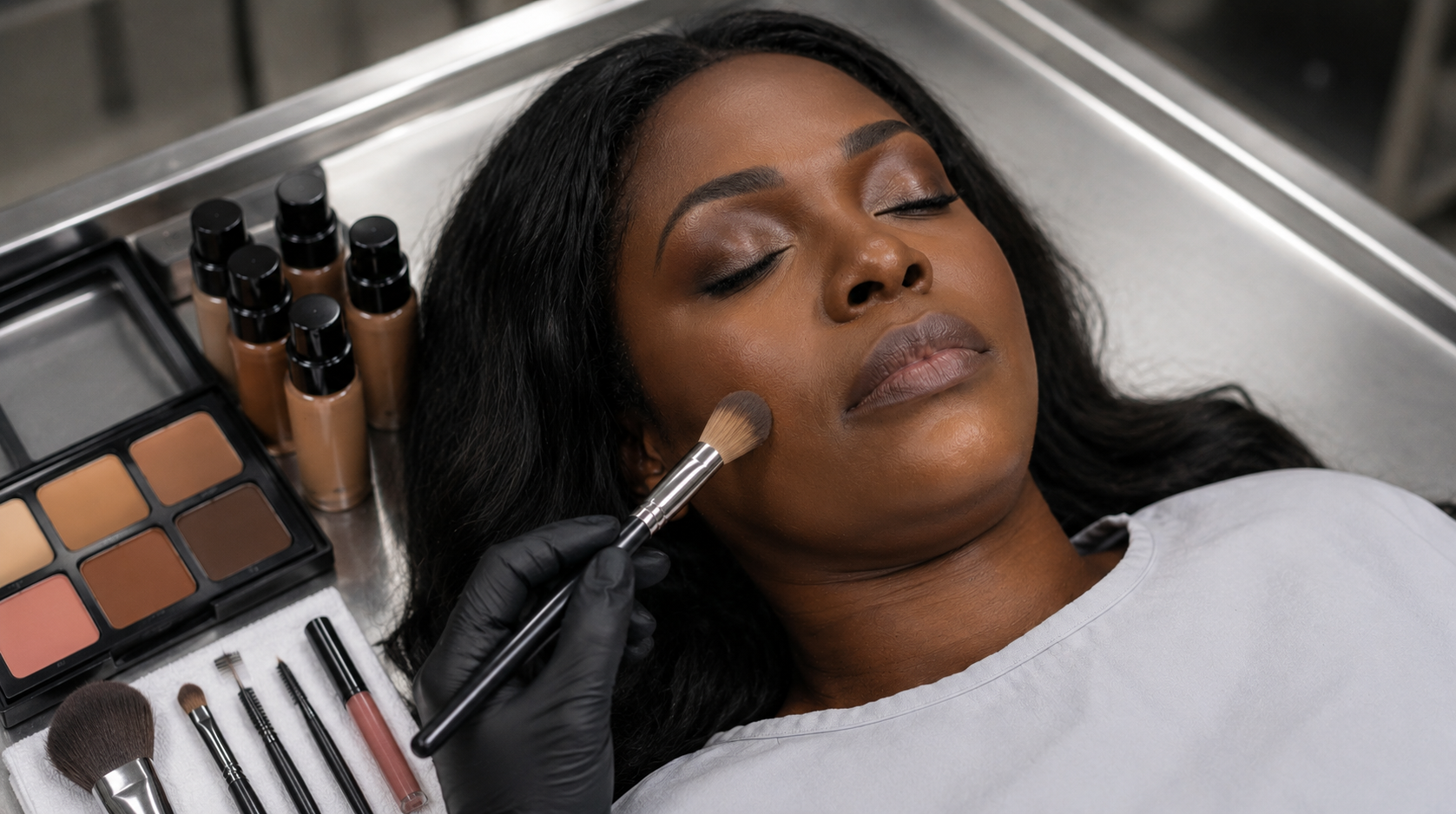
Step 2: The Beauty Second
Once correction has created visual balance, beauty can begin.

This stage is not about changing the individual. It is about restoring softness, warmth, and familiarity to the final presentation.

For Jasmine, beauty application focused on enhancing the features most visible in her photographs while avoiding heavy product buildup or an overly altered appearance.
 Beauty Focus Areas

* Restoring warmth to the complexion
* Softening the appearance of facial features
* Refining brows for familiarity
* Enhancing the eyes without creating a dramatic look
* Restoring natural lip tone
* Supporting her polished public image
* Maintaining a peaceful appearance

 Products & Materials Utilized

* Complexion products matched to reference photographs
* Setting products for longevity
* Brow products
* Soft eye enhancement products
* Natural lip color
* Detail brushes and sponges
* Reference images for likeness comparison

 Key Learning Point

Beauty should never compete with correction.

Beauty should support the work already completed by bringing life, warmth, and recognition back into the presentation.

Correction creates the canvas.

Beauty restores the person.
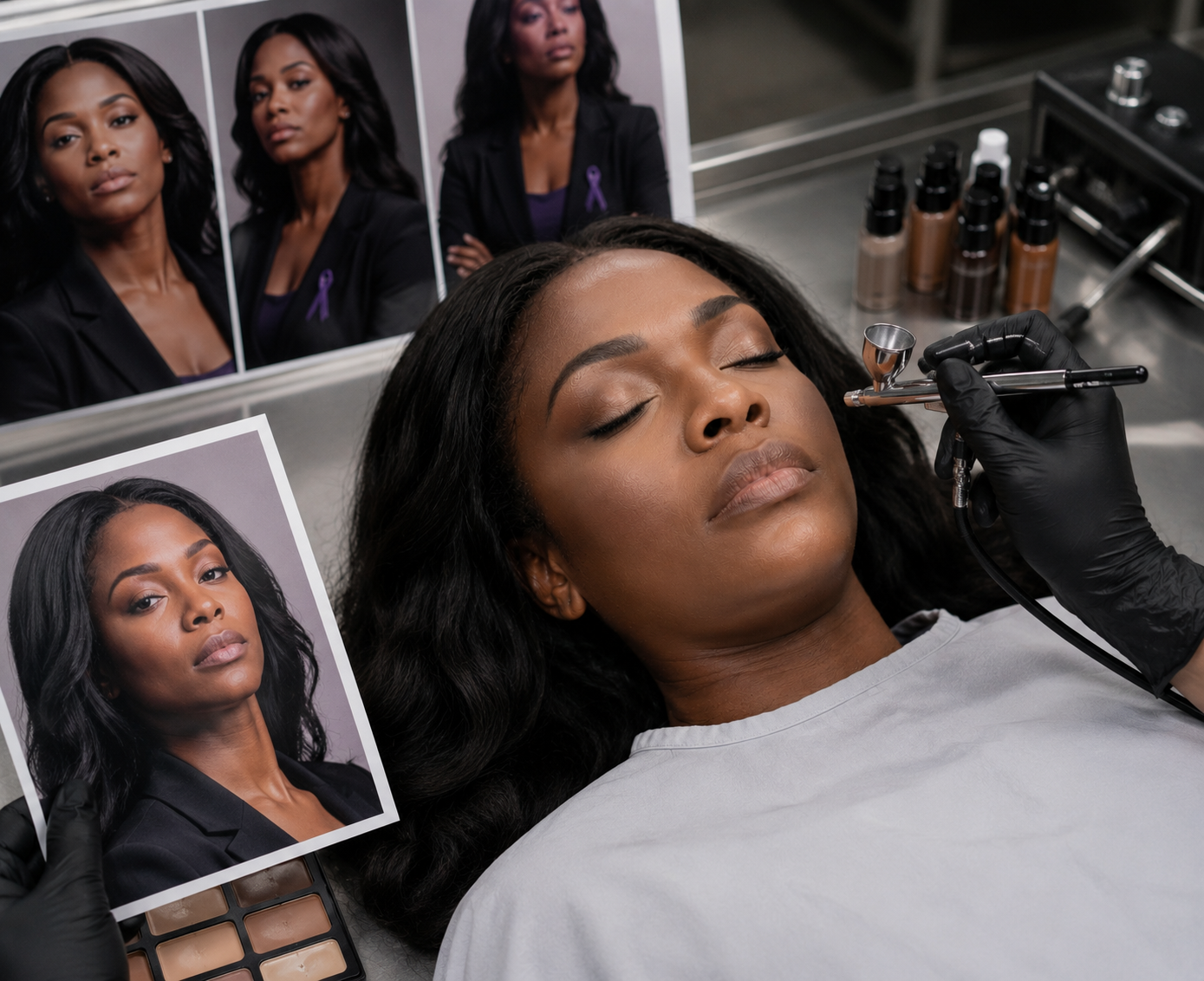
Likeness is the ability to recognize the individual beyond the cosmetics.

At this stage, my focus shifted from correction and enhancement to preservation of identity.

Throughout the process, reference photographs remained visible and were consulted frequently. Attention was given to the features that consistently appeared throughout Jasmine's photographs, regardless of age, lighting, hairstyle, or stage of illness.

Areas Evaluated for Likeness
Facial shape and proportions
Brow structure and placement
Lip shape and natural expression
Hairline and hairstyle
Skin tone and complexion depth
Distinguishing facial characteristics
Overall presentation style
Professional Consideration

A technically beautiful presentation is not always a successful presentation.

Families are not searching for perfection.

They are searching for recognition.

Every corrective and cosmetic decision should support the family's ability to recognize their loved one while preserving dignity and maintaining a natural appearance.

Key Learning Point

The goal is not to create a different person.

The goal is not to create an idealized version of the person.

The goal is to preserve the individual entrusted to your care.

Correction First.
Beauty Second.
Likeness Always.
Step 3: Likeness Always
The Final Presentation

FINAL THOUGHTS
Jasmine's case reminds us that restorative beauty is far more than the application of cosmetics. Every case presents its own combination of medical history, postmortem changes, family expectations, and professional responsibility.
A successful presentation begins with observation, not application. Before selecting products or techniques, the restorative artist must evaluate the condition of the individual, distinguish disease-related changes from postmortem changes, and develop a thoughtful plan of care.
Throughout this case, the objective was never to erase Jasmine's journey or create an idealized version of who she was. The objective was to reduce visual distractions, restore visual balance, and preserve the likeness of the woman her family knew and loved.
Restorative beauty requires patience, restraint, and sound professional judgment. Every decision should support dignity, respect, and authenticity while honoring the unique life entrusted to your care.
As professionals, we are not simply applying cosmetics.
We are restoring confidence for the family, preserving identity for the individual, and reinforcing the trust placed in our hands.
The Signature Standard of Final Presentation®
Correction First.
Beauty Second.
Likeness Always.
-
We offer a range of solutions designed to meet your needs—whether you're just getting started or scaling something bigger. Everything is tailored to help you move forward with clarity and confidence.
-
Getting started is simple. Reach out through our contact form or schedule a call—we’ll walk you through the next steps and answer any questions along the way.
-
We combine a thoughtful, human-centered approach with clear communication and reliable results. It’s not just what we do—it’s how we do it that sets us apart.
-
You can reach us anytime via our contact page or email. We aim to respond quickly—usually within one business day.
-
We offer flexible pricing based on project type and complexity. After an initial conversation, we’ll provide a transparent quote with no hidden costs.
-
Collaborative, honest, and straightforward. We're here to guide the process, bring ideas to the table, and keep things moving.